Sustainable Supply Chain Alliance Framework
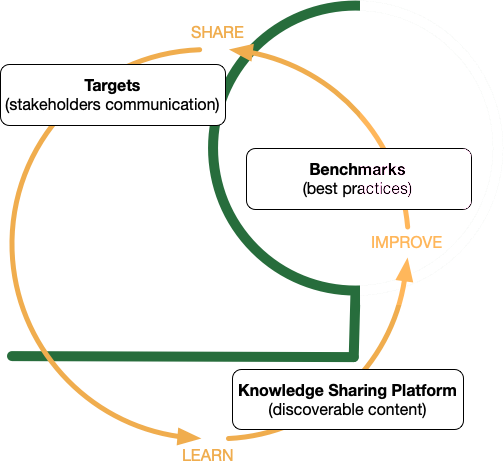

By completing this questionnaire, an energy utility company can assess their sustainability initiatives against peers.
(reserved to SSCA members)
This document provides a framework of environmental practices that are considered core to strong environmental sustainability management. The information is presented in a table that is intended to provide Suppliers and Utilities with a means to gauge the level of maturity of their corporate and supplier environmental sustainability programs, and to help shape continuous improvement goals for organizations seeking to advance their programs. The current version of this document reflects a broad, general scope of sustainability considerations. Future versions of the framework may include additional insights, proven practices and additional resources.
The categories and attributes presented in the table are modeled on the type of Plan-Do-Check-Act framework within Internal Organization for Standardization (ISO) management system standards, and best practices from management systems across industry sectors. The framework was compiled by sustainability and supply chain subject matter experts from the Electric Utility Industry Sustainable Supply Chain Alliance (Alliance) member organizations and other professional organizations in the field of sustainability and supply chain management.
The practices adopted will vary by organization based on the organization's priorities, the cost and time to implement an initiative and the value to the business, among other variables. In addition, it is likely that a company may not achieve all criteria in a single maturity level due to trade-offs, levels of impact, appropriateness, etc. Finally, the company’s size and availability of resources should be considered when determining which practices to pursue and how quickly.
The question is often asked, "What is the benefit of a sustainable supply chain program?" Here are a few key benefits beyond the obvious “reduced environmental impact” that could be considered when assessing the value proposition of your program.
A. Cost reduction
- Resource use reductions (water, electricity, fuel, natural gas) can be translated into hard cost savings.
- Recycling revenue (scrap, waste, etc.) can be translated into revenue increases.
- Product/service design enhancements can be translated into cost savings (raw material and labor reductions) and cost avoidance (increased product life, reduced maintenance costs, etc.).
B. Corporate image enhancement
- Program implementation and product/service sustainability improvements can be highlighted in various applications (Dow Jones Sustainability Index, Carbon Disclosure Project, etc.), which enhances corporate image and possibly attracts certain investors.
- Program implementation and product/service sustainability can lead to improved perception by customers, employees, stakeholders, NGOs, etc.
C. Management system improvement
- Companies with strong programs (sustainability, safety, quality, etc.) are usually better performing companies overall. They achieve reduced costs and risks, better safety, higher quality, reduced lead times, and other tangible and intangible benefits.
- Need additional help?
- Contact us